



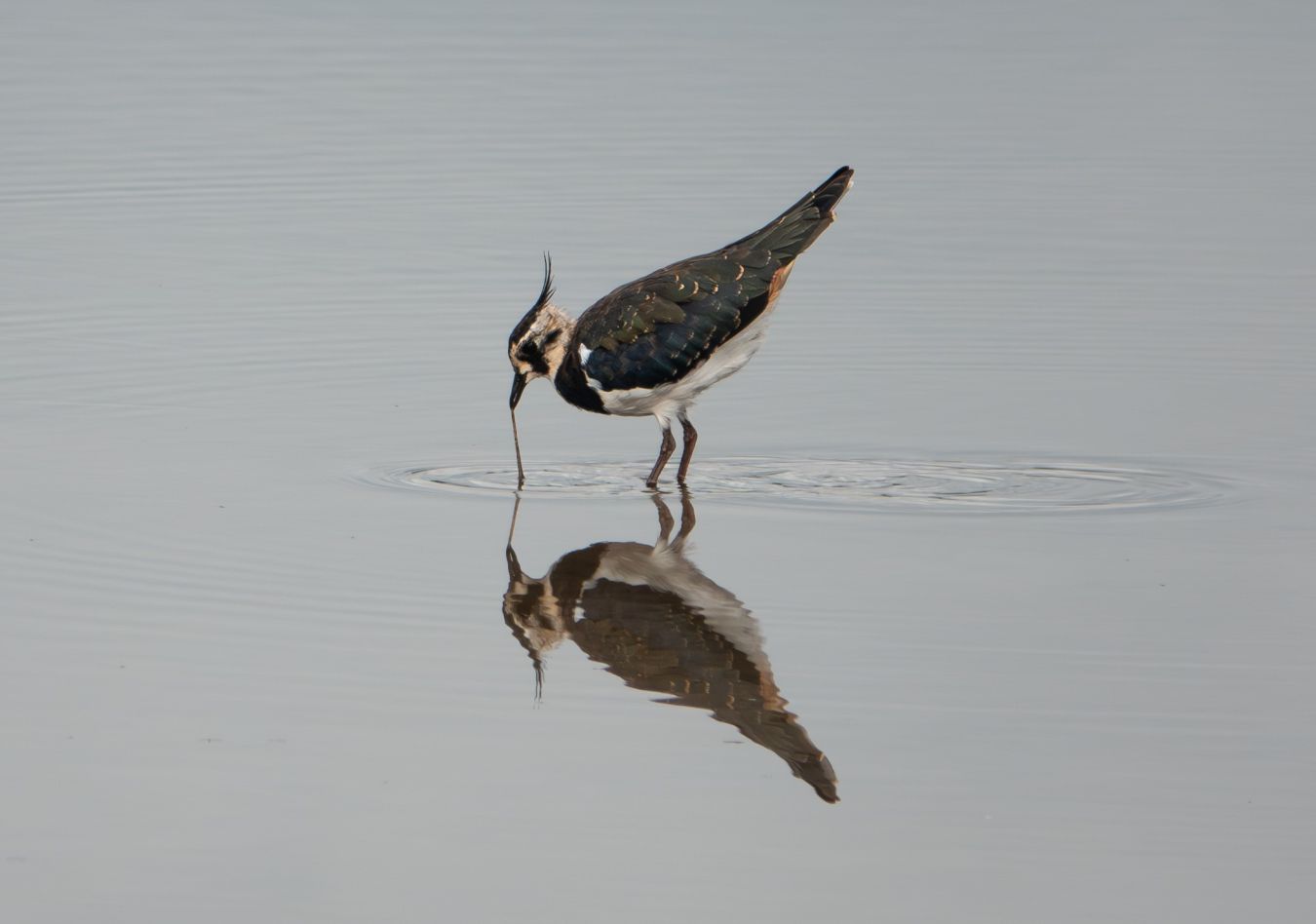
Special Protection Areas (SPAs) are strictly protected sites designated under the EC Birds Directive to conserve rare, vulnerable, or migratory birds. To qualify for designation, a site must support internationally important number of these birds based on their population size, geographical range, and ecological needs.
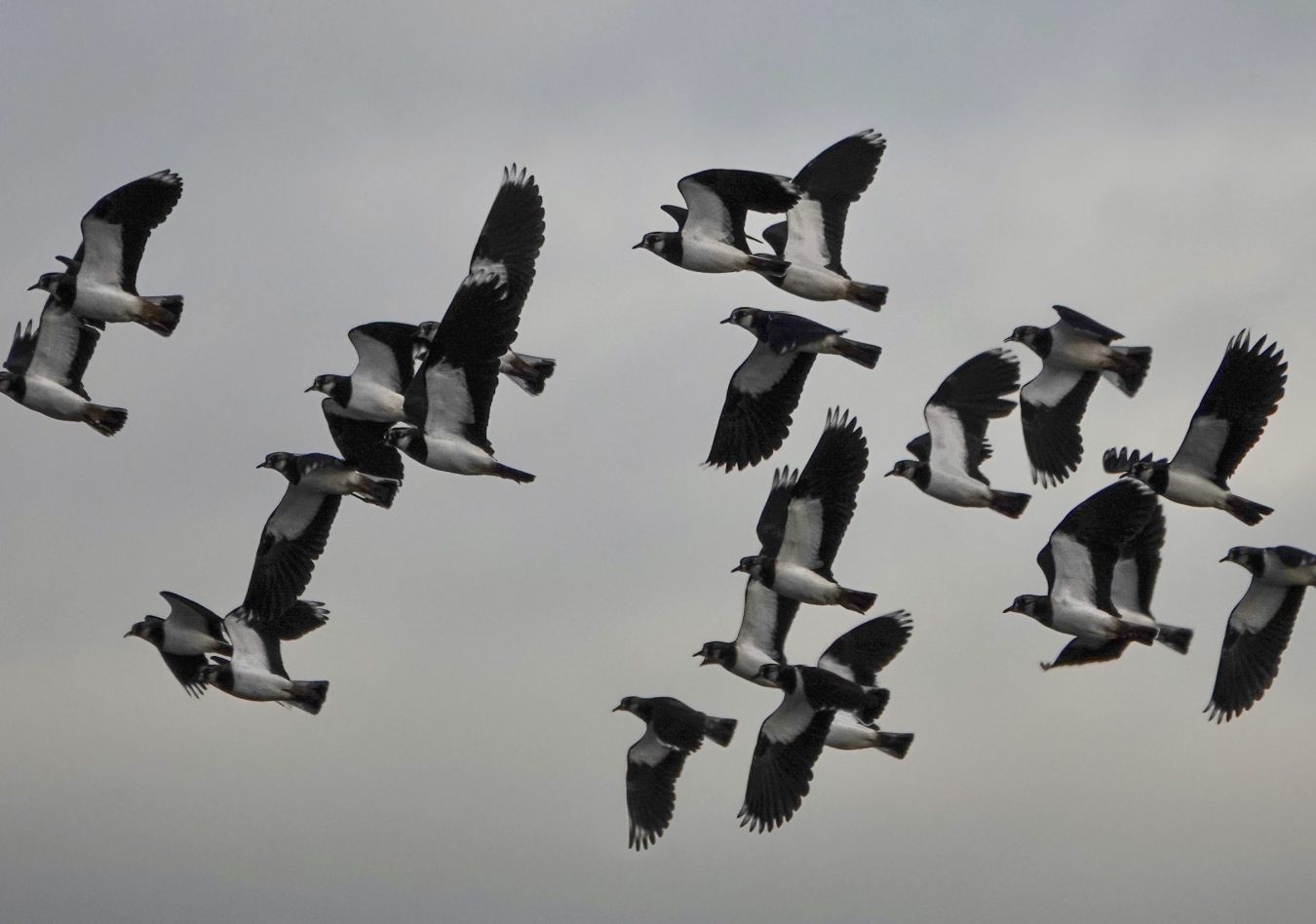
Qualifying features generally fall into the following categories:
- Annex I Species: Sites supporting rare or vulnerable bird species listed in Annex I of the Birds Directive
- Migratory Species: Sites that regularly support significant numbers of migratory bird species not listed in Annex I, including waterfowl and wading birds.
- Assemblages: Sites that support an internationally important assemblage of birds. For example, a site regularly supporting over 20,000 individual waterbirds is recognized as qualifying on this basis.
- Marine Components: Habitats (like intertidal or subtidal zones) that support bird species entirely or partially dependent on the marine environment.
The qualifying features of the Morecambe Bay & Duddon Estuary SPA are:
- Non-breeding (i.e the birds visit in winter) whooper swan (Cygnus Cygnus), little egret (Egretta garzetta), European golden plover (Pluvialis apricaria), bar-tailed godwit (Limosa lapponica), ruff (Calidris pugnax), Mediterranean gull (Larus melancephalus) pink-footed goose (Anser brachyrhynchus), common shelduck (Tadorna tadorna), northern pintail (Anas acuta), Eurasian oystercatcher (Haematopus ostralegus), grey plover (Pluvialis squatarola), common ringed plover (Charadrius hiaticula), Eurasian curlew (Numenius arquata), black-tailed godwit (Limosa limosa), ruddy turnstone (Arenaria interpres), red knot (Calidris canutus), Sanderling (Calidris alba), dunlin (Calidris alpina alpine), common redshank (Tringa tetanus), and lesser black-backed gull (Larus fuscus).
- Breeding little tern (Sternula albifrons), sandwich tern (Sterna sandvicensis) common tern (Sterna hirundo), lesser black-backed gull (Larus fuscus), and European herring gull (Larus argentatus argenteus)
- An internationally important waterbird assemblage and seabird assemblage.