


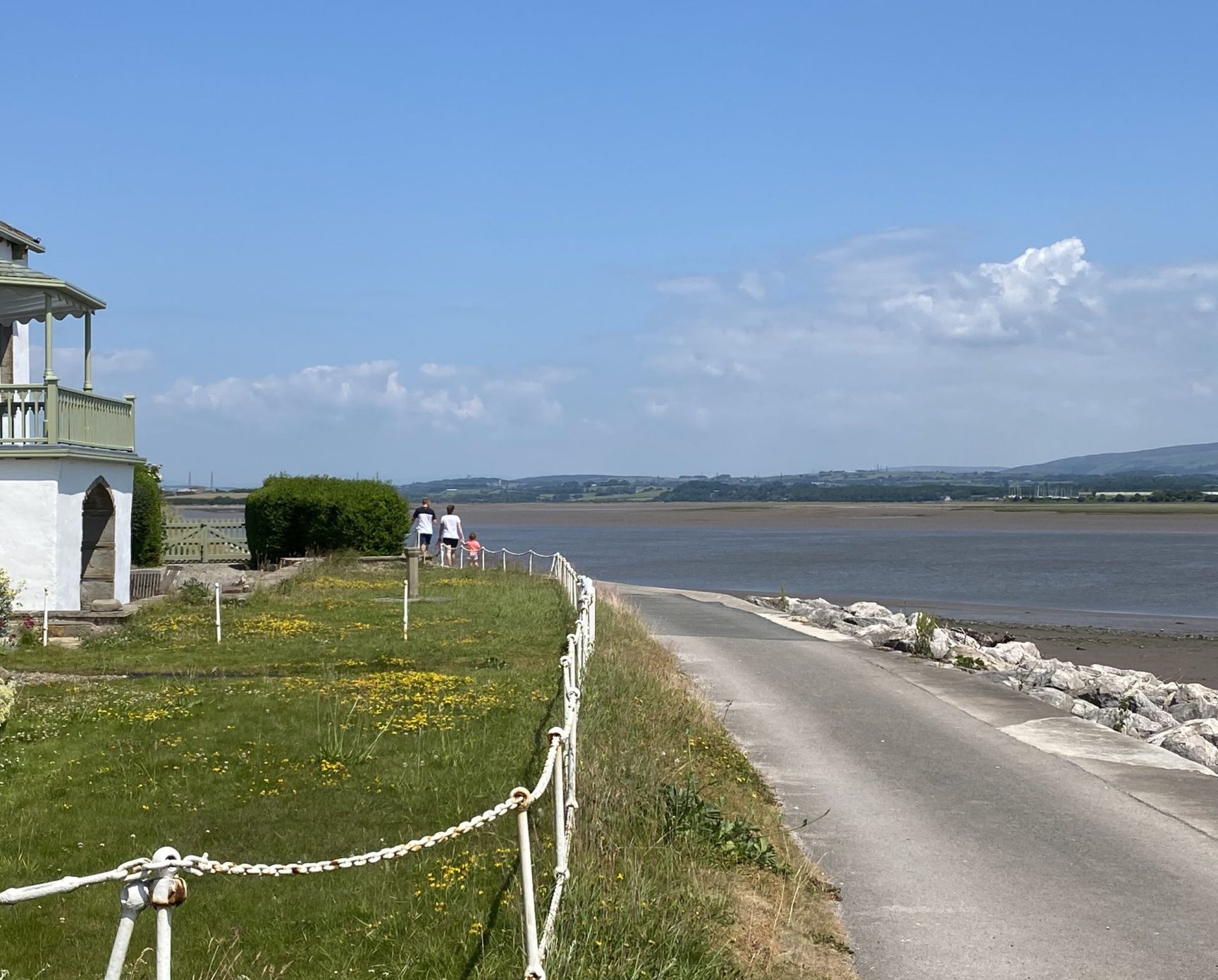
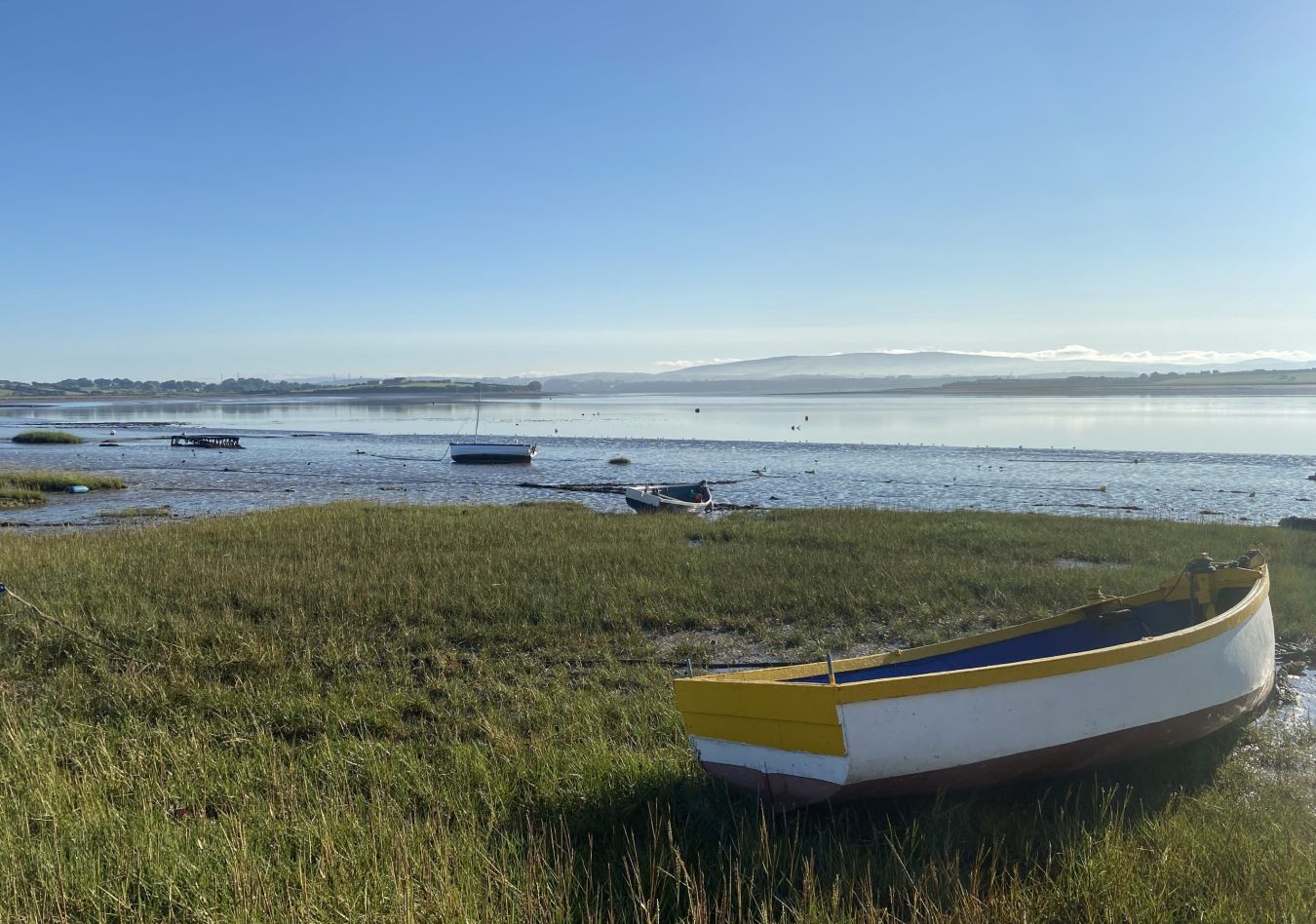
Sunderland Point is a low-lying coastal spit situated where the River Lune enters the Irish Sea.
Although physcially part of the mainland, it’s unique position means it acts as a tidal island, cut off from the village of Overton twice daily around high tide when the road and surrounding shingle causeway are submerged.
A hamlet of 30 or so houses and a farm, Sunderland Point feels remote and wild.
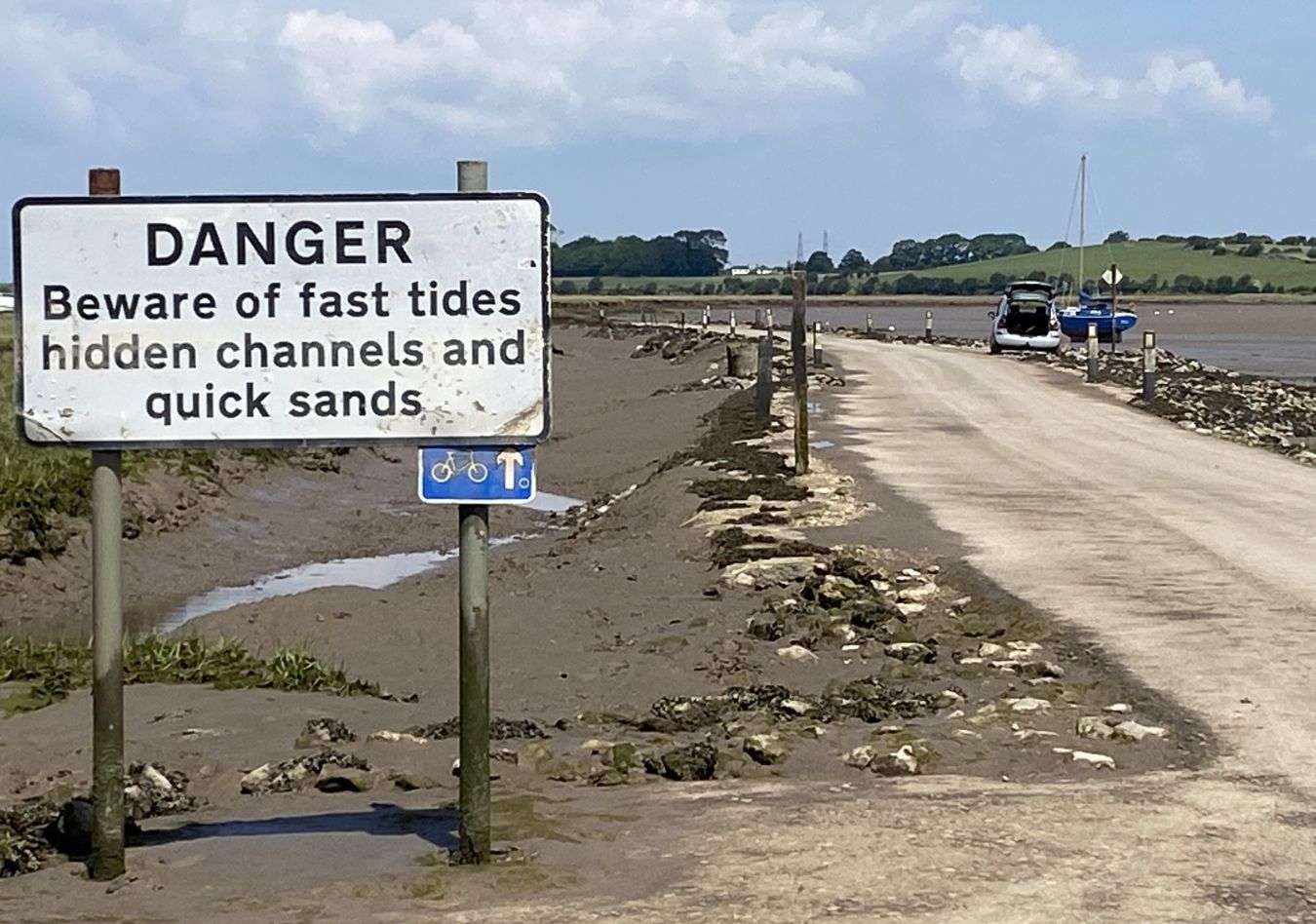
If you want to visit Sunderland Point by vehicle, you must be aware that access is via the tidal Causeway.
On days of high tides, the road can be covered by several feet of water for over four hours or longer (on exceptionally high tides and in adverse weather).
Generally, tides below eight meters in height are unlikely to cover the causeway. If the tide is above eight meters, the Causeway will be covered for a time, dependent on the height of the tide.
Tide tables must be consulted in advance of your visit, to ensure you can safely cross the causeway in your vehicle. Remember, there is no hard and fast guide as the weather strongly affects the behaviour of the tide.
There is signage at both ends of the Causeway and it is the responsibility of the visitor to be aware of tide times and follow the signage.
An alternative way to access the Point is to park at Potts Corner, Middleton Sands and walk to Sunderland Point along the West Shore.
Consult the tide times here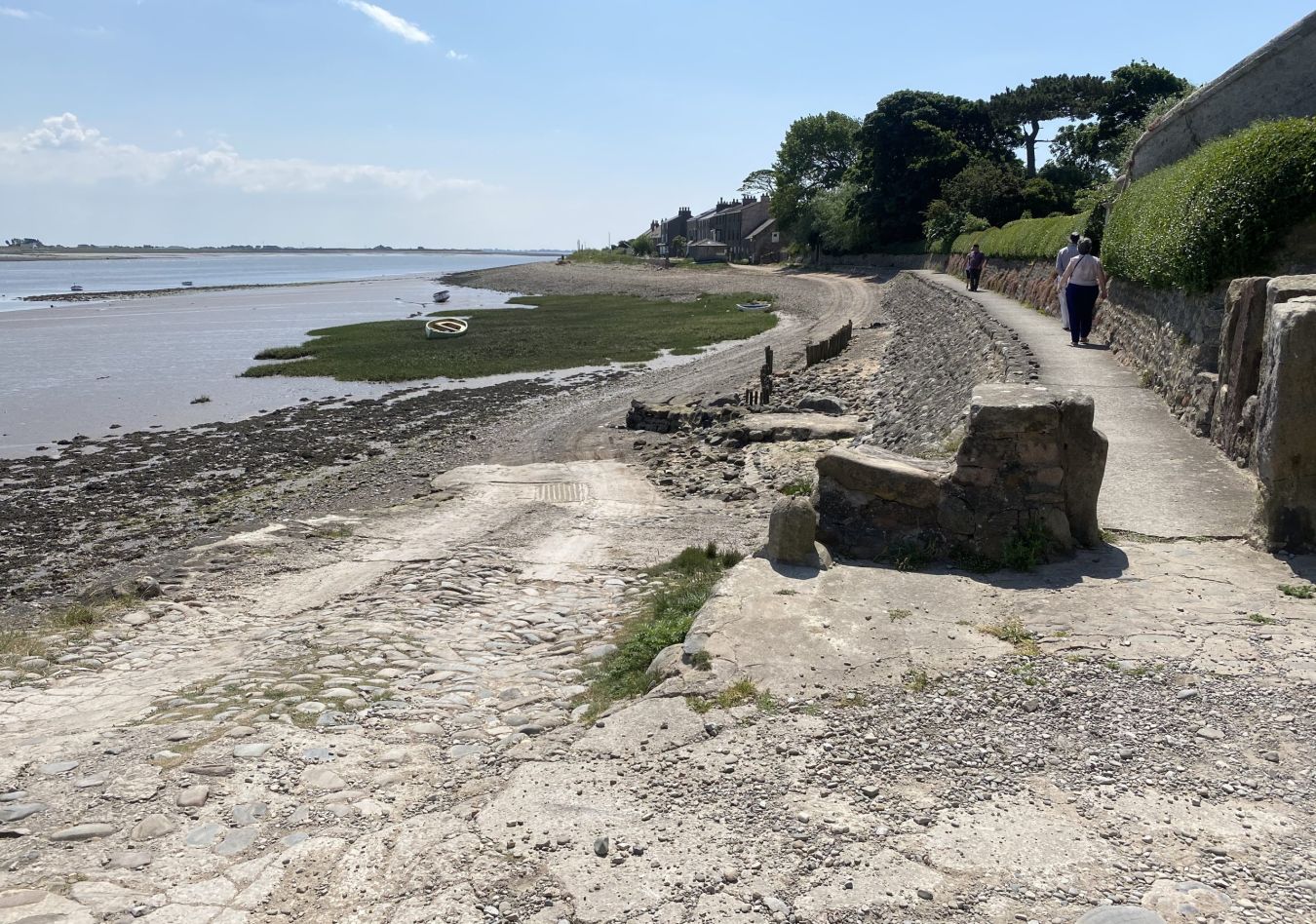
At the end of the 17th century, the merchants of Lancaster would bring their international trades in via the port of Sunderland Point. Merchants were made rich from international trade including the transatlantic slave trade.
The quayside at Sunderland Point was the first legal quay in the area before 1739, and anything landing outside this boundary from abroad was classed as smuggling.
Lancaster was the fourth largest port in England, after London, Bristol and Liverpool by the end of the 18th century and most of the buildings on the Point are from this period. You can still see the mooring posts for the gunpowder boats, whose loads were taken by horse and cart to Powder House Lane in Lancaster. The horses had copper shoes to prevent sparks ingniting the powder!
Find out more about Sunderland Point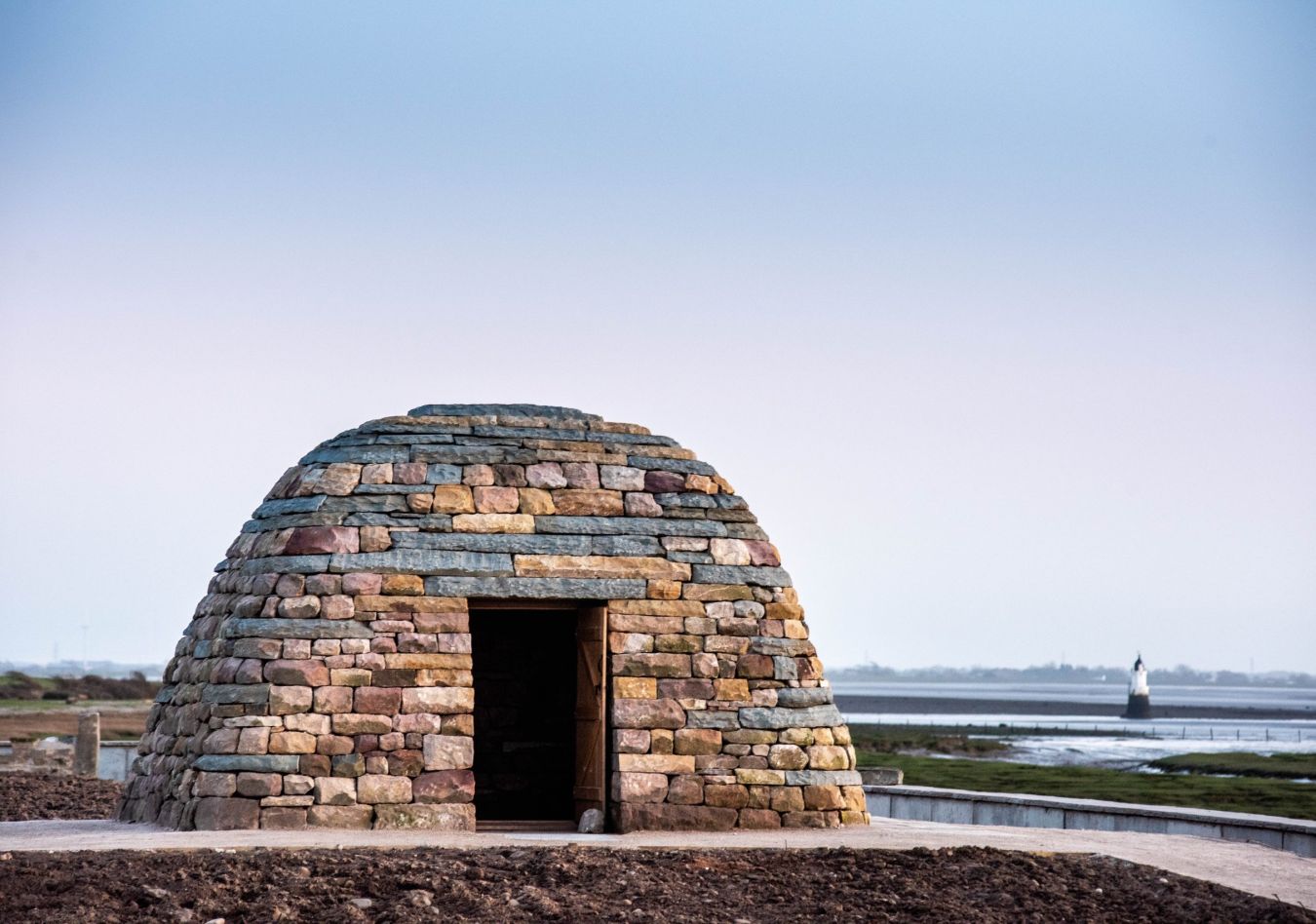
Horizon Line Chamber was built at Sunderland Point. This dry-stone building features a camera obscura created by internationally known land artist Chris Drury and built by master stonemason Andrew Mason.
It was part of a series of art installations installed by Morecambe Bay Partnership in 2019 funded by the Heritage Lottery Fund.
It is a conical stone chamber built mainly from hundreds of reclaimed building stones unearthed at Sunderland Point, the exception is the large supporting green-blue sandstone slabs imported from a quarry near Huddersfield.
The sculpture resembles an upturned boat or oratory (small chapel) and holds a surprise inside; a self-contained lens inverts the outside world onto the chamber’s lime-plastered walls, capturing the sea and its changing conditions, our rich bird life, and the unique light of the Bay in a transformed perspective.