

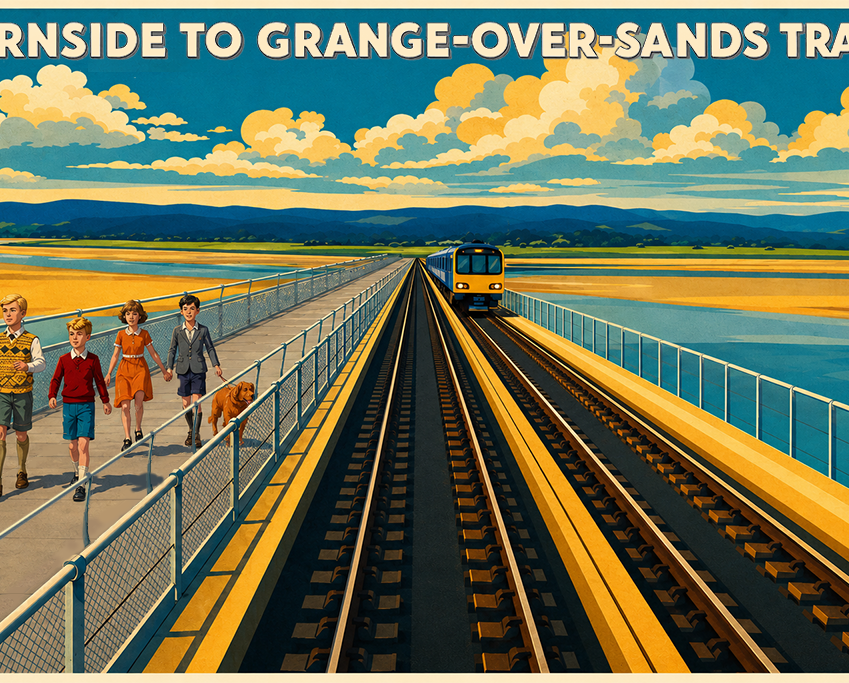
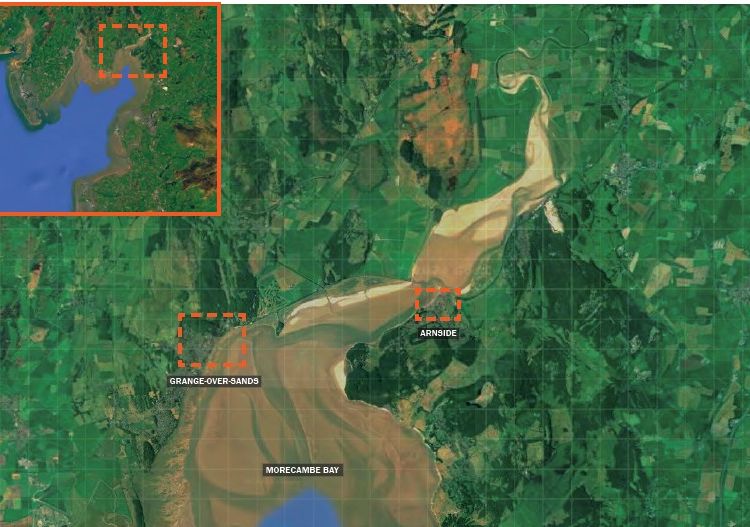
A proposed walking, cycling and wheeling trail between Arnside & Grange-over-Sands
- It would create a safe, traffic‑free and direct connection between the two communities; walking would take ~1 hour; cycling would take ~25 minutes
- The trail would link to routes such as the Bay Cycle Way and King Charles III England Coast Path
- It has received strong public support, with over 6,000 responses to an online survey and with 99% in favour of the trail
What have we found so far?
People told us they want:
- A safe, traffic‑free route
- Better access between communities
- Opportunities to walk, cycle and enjoy the Bay
6,000
People responded to the survey

500
People attended consultation events
99%
Supported the idea of the Trail
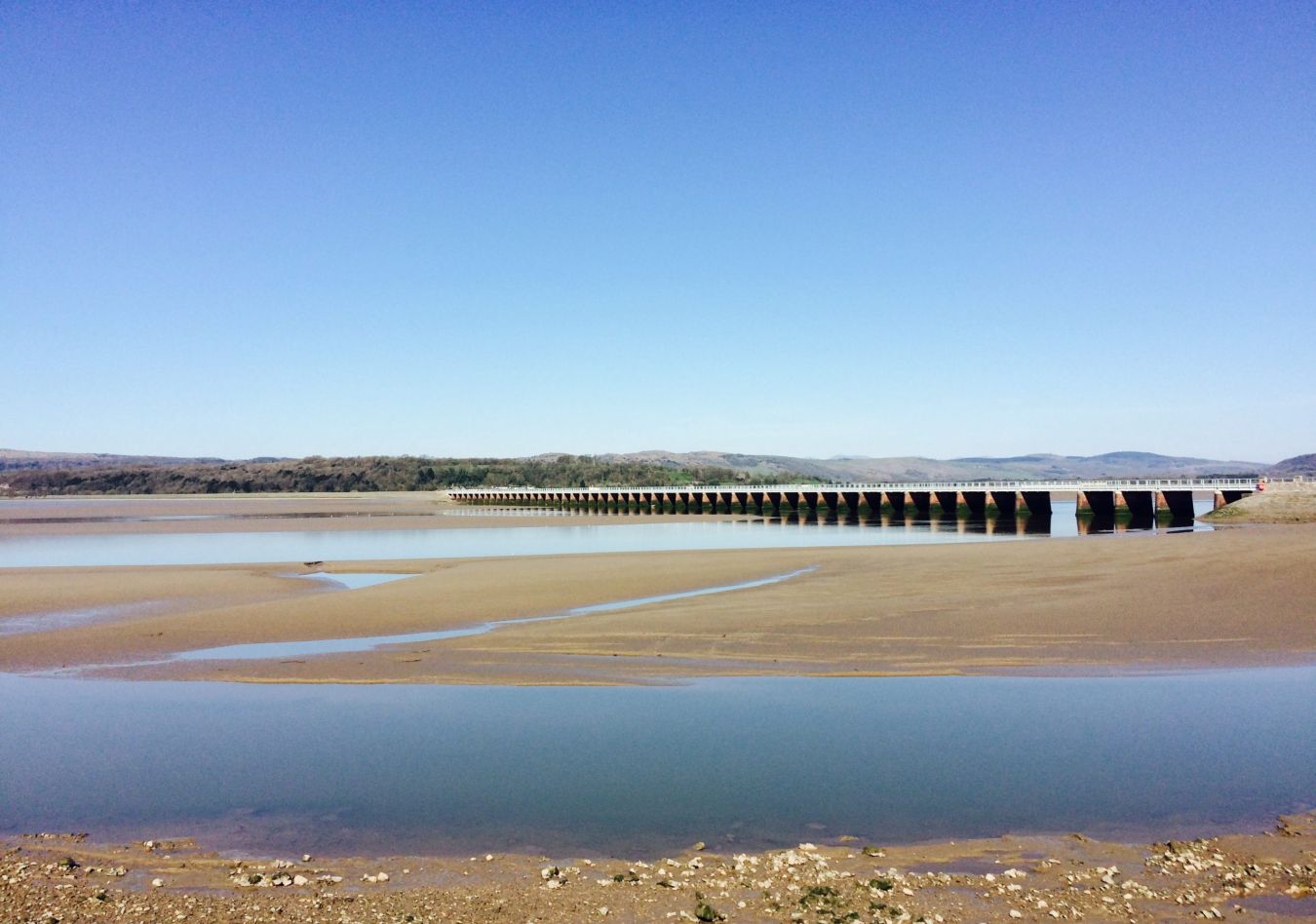
Why is this project needed?
Because it would transform how people move around the area and be a wonderful resource for local people and visitors.
It aligns strongly with national, regional, and local policy priorities, supporting commitments to decarbonise transport, enhance active‑travel networks, and improve rural connectivity.
The trail contributes to the ambitions of the UK Government, which emphasise safe, continuous routes that enable walking, wheeling, and cycling for all.
It would provide a massive improvement in local connectivity, and wider mobility around the Bay, linking Barrow to Arnside, Eden Project Morecambe & beyond.
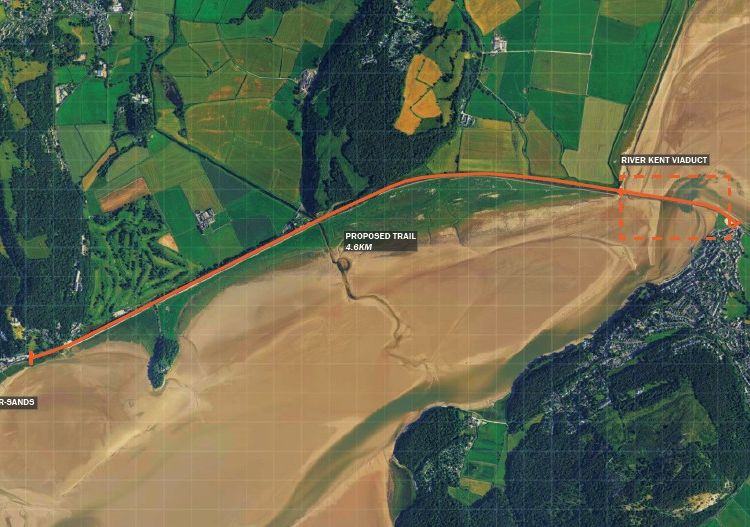
A preferred route has been identified
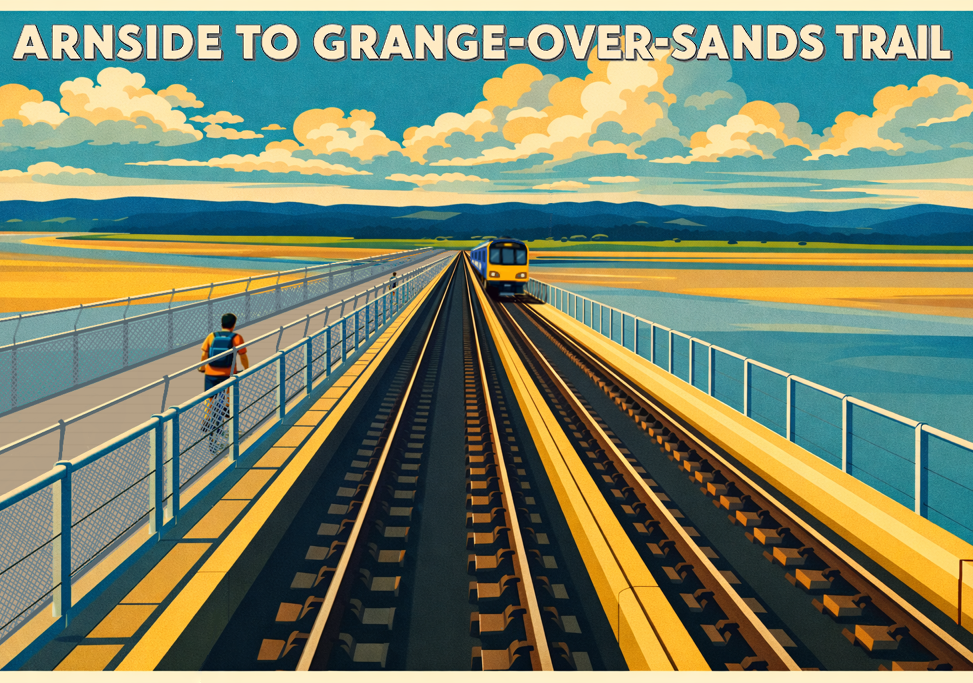
The best-performing option is: A new path along the seaward side of the railway, including a crossing of the viaduct.
This option:
- Is the shortest and most direct
- Is the easiest to use for all ages and abilities
- Provides the most attractive experience
- Offers the greatest economic and tourism benefits
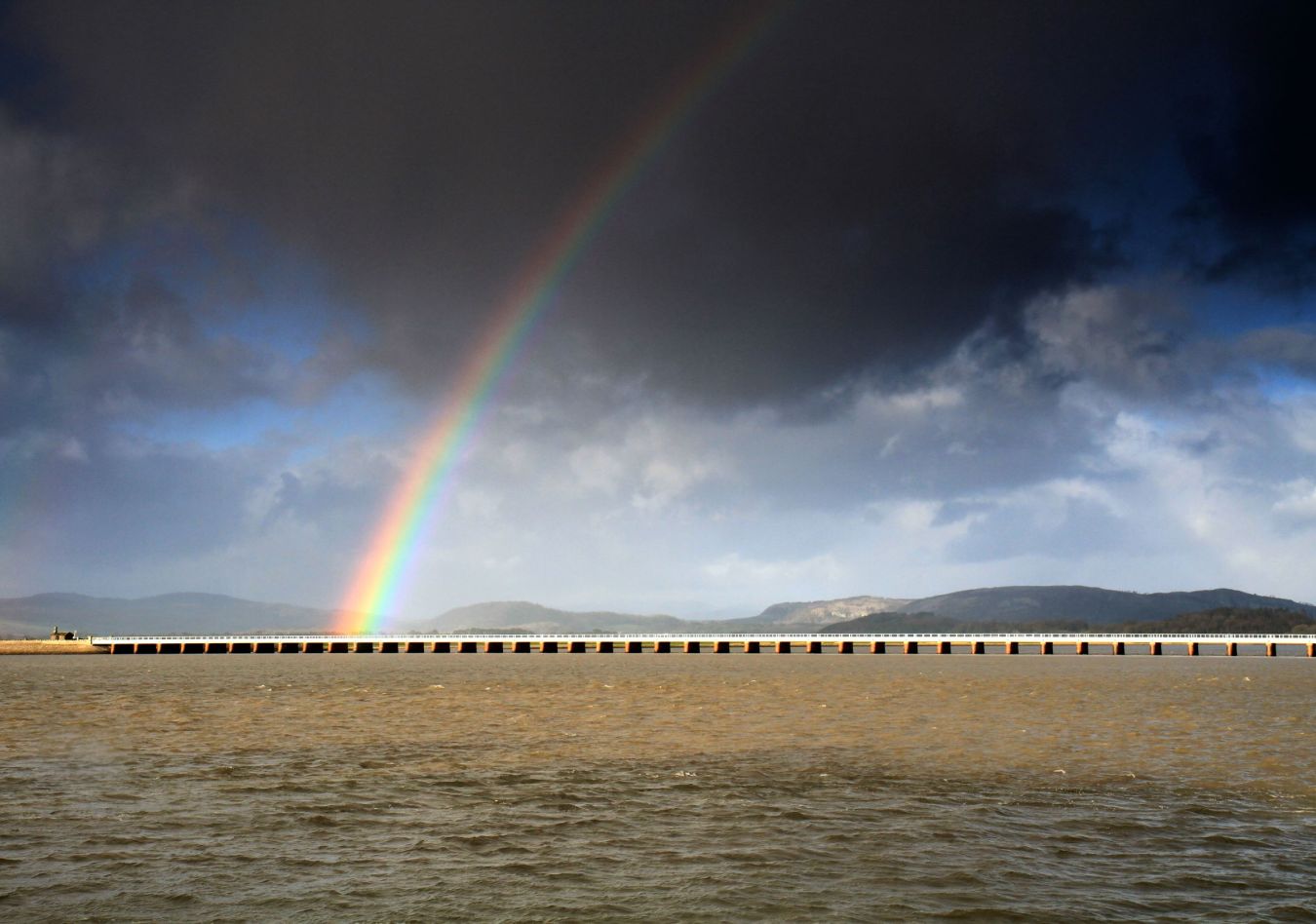
Where are we now?
The project has now reached an important milestone:
Feasibility stage complete (July 2026)
We have:
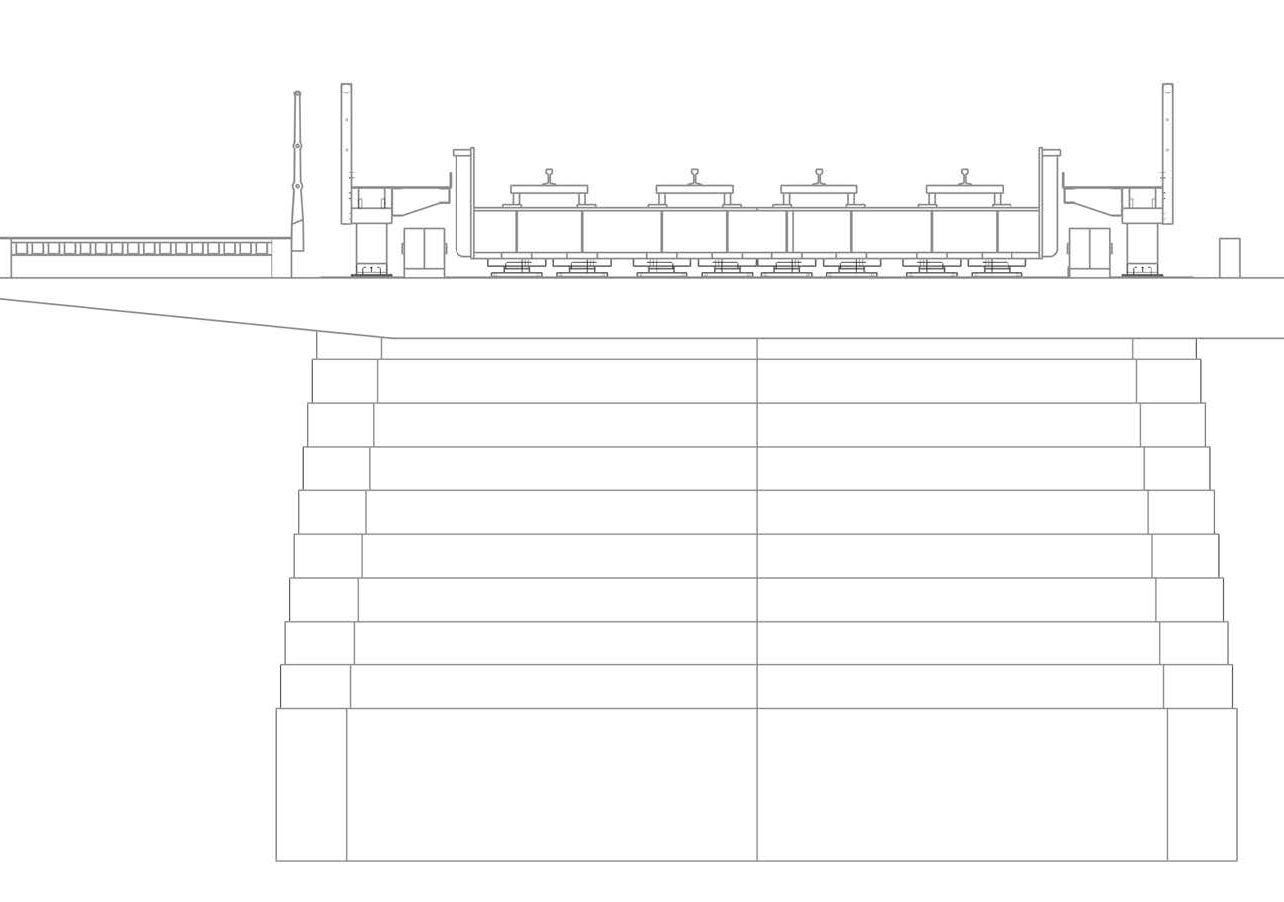
- Produced costed engineering designs of the structure
- Investigated methods of construction and produced supporting plans and drawings
- Tested costs, benefits and environmental impacts.
- Produced a Strategic Outline Case ready for investment
- Passed this information to Westmorland & Furness Council
The project is now ready to move to the next stage — securing funding, crucial permissions, and then construction.
Image credit Nigel Hunter
£33 million
Estimated construction cost

5 km
length of traffic-free route created
1.61km
amount of new road which could be built for the same cost

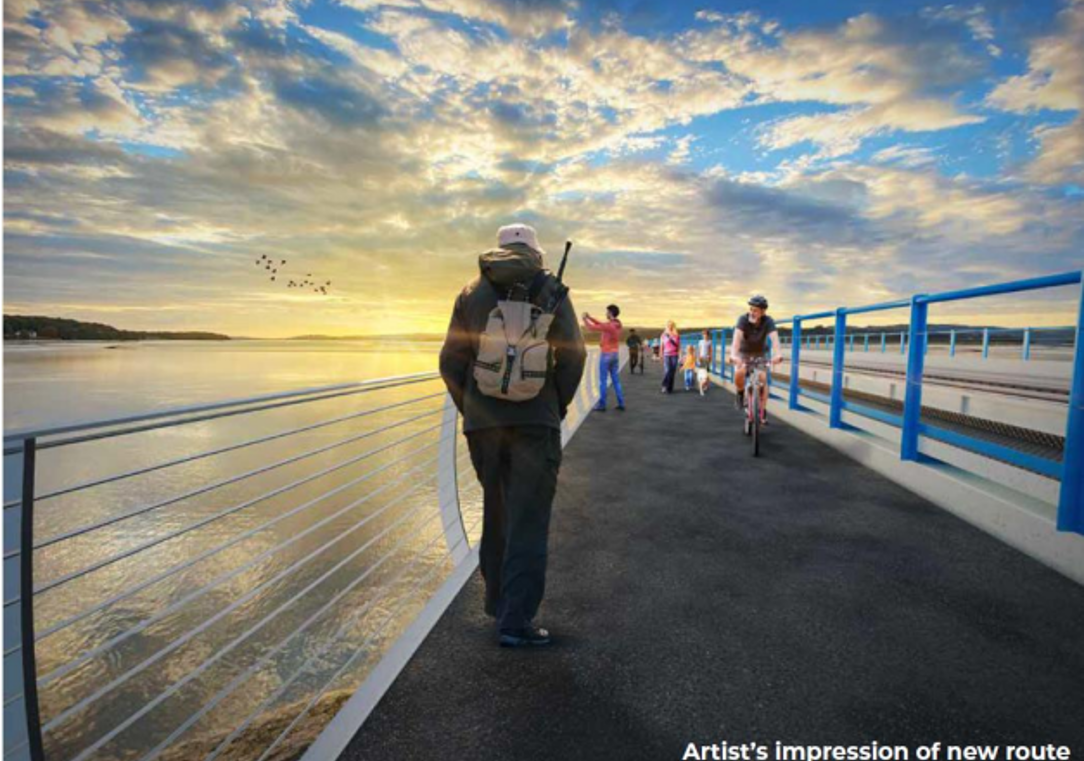
The construction is feasible
Detailed work shows:
- The trail can be built alongside the existing viaduct
- Modern construction methods can reduce disruption
- There are no major technical barriers
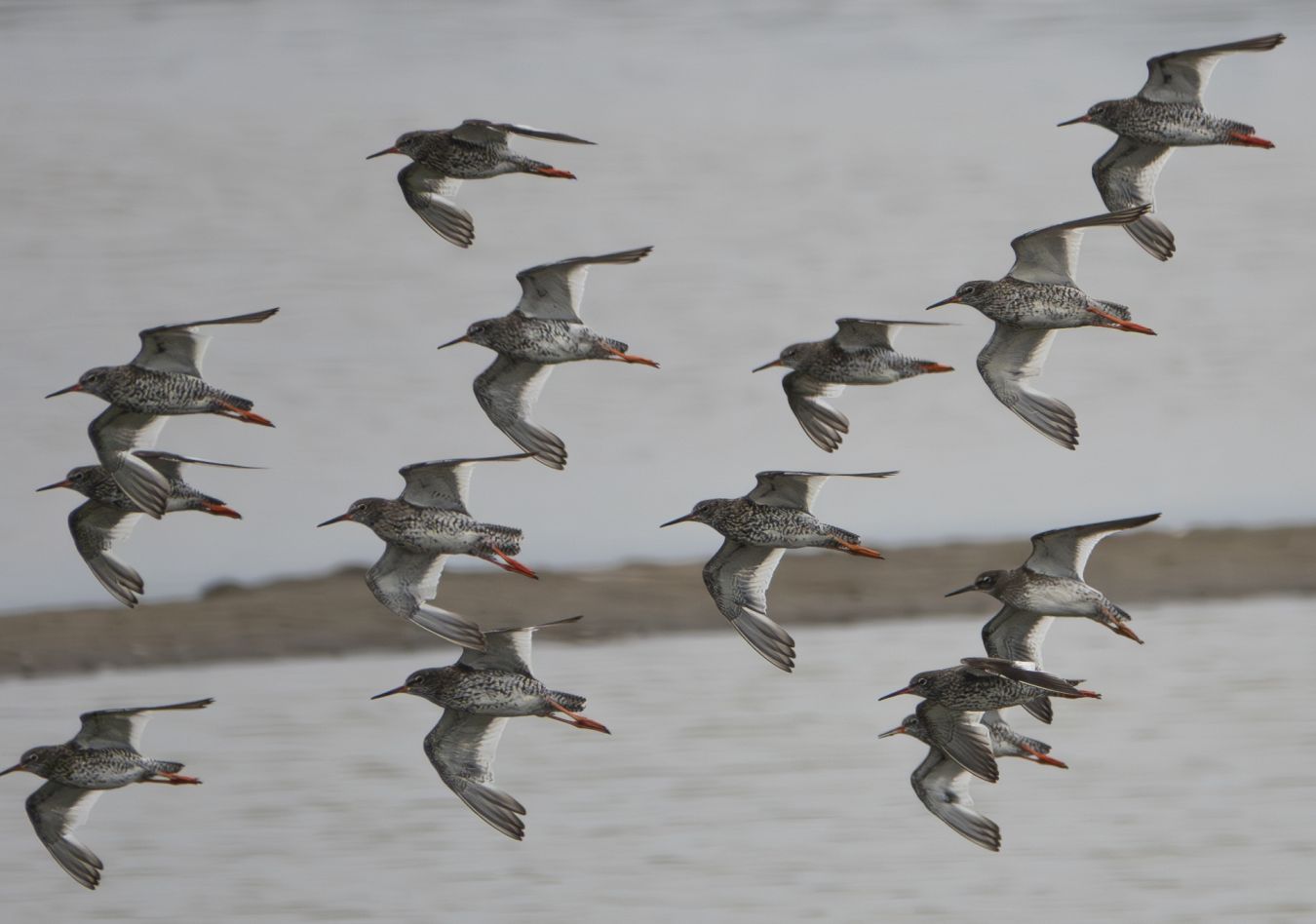
The environment can and must be protected as part of the scheme
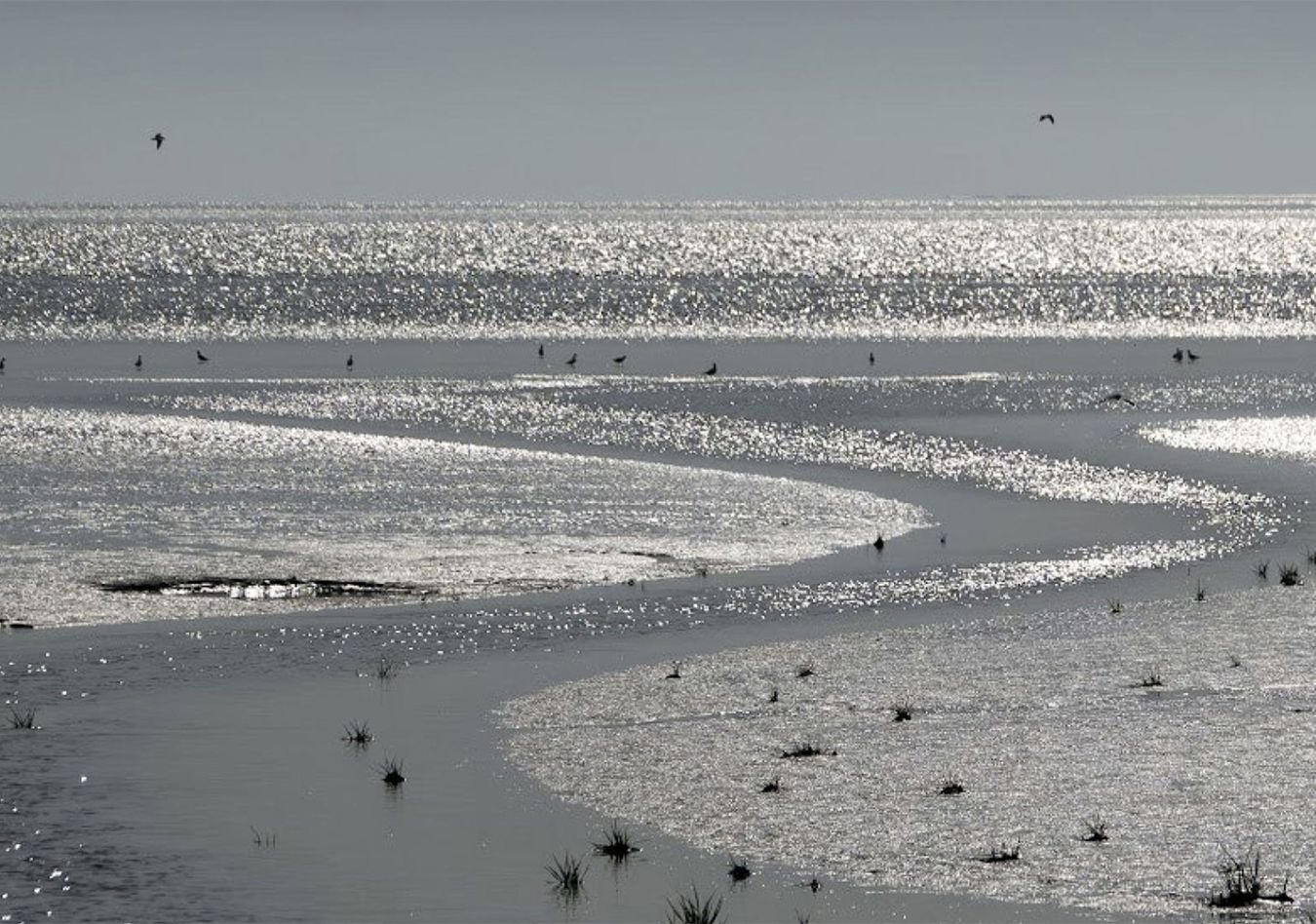
The area is nationally important for wildlife and landscape.
The feasibility to date shows:
- Any negative impacts on nature can and must be carefully managed through design
- Future stages will include detailed environmental assessments
What about Network Rail?
Network Rail have seen the engineering designs of the structure and the supporting plans and drawings for methods of construction.
They have written us a letter welcoming the ambition of the project and noting the interface with their assets.
Their permission or “Approval in Principle” is now crucial so that their ongoing operational, safety and maintenance requirements can be incorporated.
Who is leading the project now?
- This large infrastructure project now requires a Local Authority with the resources, powers and experience to lead and fund delivery
- We want Westmorland and Furness Council (WFC) to take on the role of scheme promoter and delivery body, building on its funding of the feasibility stage
- The project must be added to WFC’s long list for future funding and will need cabinet-level approval to proceed beyond that stage
What is the charity, Morecambe Bay Partnership’s role?
The charity has led the project to this point and subject to resources, will continue to:
- Act as a charity champion and advocate for the trail
- Help maintain momentum and encourage Westmorland & Furness Council to prioritise the project
“The Arnside to Grange Trail is an exciting opportunity to create a safe, accessible and sustainable connection across the Bay. This stage of feasibility has been completed and we hope that Westmorland and Furness Council will now take ownership of the project so that the vision can be turned into reality.”
Sarah Mason
CEO with charity Morecambe Bay Partnership
Your questions answered
“Why isn’t it built yet?”
The feasibility stage has just been completed. Large infrastructure projects must go through several steps, including feasibility, design, approvals and funding.
“Is it definitely happening?”
The project has strong support and a positive business case — but it needs Westmorland & Furness Council to now take ownership, secure permissions from Network Rail, seek funding and secure planning permission before construction can begin.
“Have local people been involved?”
Yes — thousands of people have already taken part, and engagement will continue when appropriate. Thank you for the ongoing support of this exciting project.